In today’s fast-changing digital world, communication has become extremely fast, short, and expressive. People no longer prefer writing long sentences in online chats. Instead, they use abbreviations, slang terms, and emotional shortcuts to communicate instantly. This style of communication is common across WhatsApp, Instagram, Snapchat, TikTok, Discord, and gaming platforms.
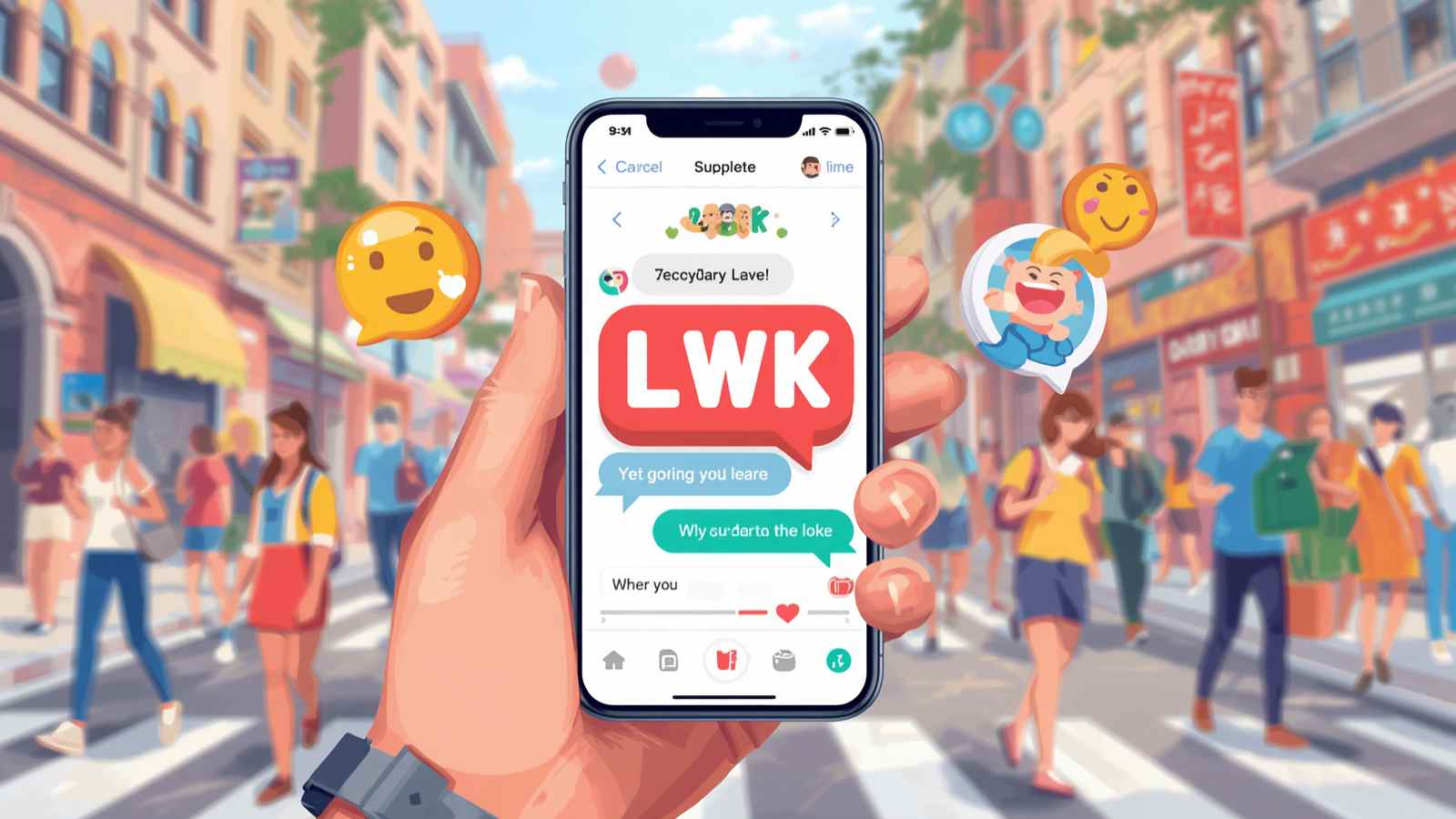
One of the newer slang expressions that is widely used in modern texting culture is “LWK.” At first, it may seem confusing for many users, especially those who are not deeply familiar with internet slang. However, LWK is part of a larger trend where digital communication is becoming more emotional, casual, and context-based rather than formal or grammatically strict.
Alongside LWK, another popular expression in online communication is “IKYFL,” which is widely used in social media reactions and meme culture. Both expressions show how language is evolving in the digital era, focusing more on speed, emotion, and relatability rather than traditional writing rules.
Understanding these terms is important for modern communication because they help users interpret tone correctly, avoid misunderstandings, and stay updated with internet culture.
Meaning of LWK in Text (Full Form and Definition)
LWK is a slang abbreviation that stands for:
“Low Key”
In digital communication, “low key” means something subtle, hidden, mild, or not strongly expressed. It is used when someone wants to share a feeling, opinion, or thought in a quiet or indirect way without making it sound too serious or intense.
In simple terms, LWK is used when a person feels something but does not want to express it openly or strongly.
For example:
- “I lwk like this song” means “I slightly like this song.”
- “I lwk want to stay home today” means “I kind of want to stay home.”
The purpose of LWK is to soften statements and make them sound more casual and natural in conversation.
Emotional Meaning and Usage of LWK
LWK is flexible and can be used in different emotional contexts depending on the situation. It usually represents mild feelings or hidden opinions rather than strong emotions.
It can express:
Mild liking:
“I lwk enjoy this movie.”
Subtle opinion:
“I lwk think this idea makes sense.”
Quiet preference:
“I lwk prefer staying indoors today.”
Soft agreement:
“I lwk agree with what you said.”
Hidden emotion:
“I lwk miss those days.”
The key idea behind LWK is understatement. It allows users to express feelings without sounding too direct, emotional, or intense.
How LWK is Used in Online Communication
LWK is commonly used in informal digital conversations. It is especially popular among younger users because it matches the casual tone of online communication.
In messaging apps, it is used to express personal thoughts in a relaxed way:
“I lwk don’t feel like going out today.”
On social media platforms, it is used in comments and reactions:
“I lwk think this is the best update so far.”
In gaming chats, it is used for quick decisions or preferences:
“I lwk want to switch teams.”
In daily conversation, it helps soften emotional expression:
“I lwk miss those old times.”
LWK makes communication feel more natural and less forced, which is why it has become popular in digital slang culture.
Tone and Communication Style of LWK
The tone of LWK is generally soft, casual, and indirect. It reduces the intensity of statements and makes them sound more flexible.
Instead of saying something strongly, users add “lwk” to make it feel less serious.
For example:
- “I love this song” becomes “I lwk love this song”
- “I want to go home” becomes “I lwk want to go home”
This makes communication more relaxed and less emotionally heavy.
IKYFL Meaning Explained
IKYFL is another widely used internet slang term that stands for:
“I Know You F***ing Lying”
It is used when someone strongly doubts or does not believe what another person is saying. It expresses disbelief, sarcasm, or shock in response to an unbelievable statement.
For example:
“You finished the entire project in one hour? IKYFL.”
IKYFL is commonly used in:
- Social media replies
- Meme culture
- Text conversations
- Online reactions
- Informal chats
Unlike LWK, which is soft and subtle, IKYFL is strong, expressive, and often humorous or sarcastic.
Difference Between LWK and IKYFL
Although both are internet slang, they are completely different in meaning and emotional tone.
LWK represents mild emotion, subtle opinion, or understatement.
IKYFL represents strong disbelief or reaction to something unbelievable.
LWK is calm and indirect.
IKYFL is loud and expressive.
LWK is used for personal feelings.
IKYFL is used for reacting to someone else’s statement.
Understanding this difference helps users communicate more accurately in digital conversations.
Why LWK Became Popular in Internet Culture
LWK became popular because modern communication is shifting toward casual, emotional, and fast expression styles.
Main reasons include:
People prefer shorter ways to express thoughts
Social media encourages informal communication
Users want softer ways to express opinions
Digital conversations are becoming faster
Meme culture influences language trends
In recent communication patterns, especially in evolving digital behavior trends leading toward 2026, slang like LWK is becoming more common because it matches how people naturally talk online.
Real-Life Examples of LWK in Texting
“I lwk like this outfit more than the old one.”
“I lwk want to sleep all day today.”
“I lwk think this plan is better.”
“I lwk miss my childhood friends.”
“I lwk don’t feel like working today.”
“I lwk enjoyed the movie more than I expected.”
“I lwk agree with your opinion.”
“I lwk want to change my phone soon.”
“I lwk think it might rain today.”
“I lwk like this new version better.”
These examples show how LWK softens communication and makes it more natural.
When You Should Avoid Using LWK
Even though LWK is common in informal communication, it should not be used in formal or professional environments.
Avoid using LWK in:
- Official emails
- Workplace communication
- Academic writing
- Professional reports
- Formal presentations
In these situations, clear and complete language is always better.
Polite and Professional Alternatives to LWK
Depending on context, LWK can be replaced with more formal or neutral expressions.
Polite alternatives:
- I somewhat like this
- I slightly prefer this
- I have a mild interest in this
- I kind of feel this way
- I partially agree
Professional alternatives:
- I agree to some extent
- This appears to be a reasonable option
- I see some value in this
- I have a moderate opinion on this
- This seems acceptable
Casual alternatives:
- Kind of
- Sort of
- A little
- Not fully sure but
- I guess
These alternatives help maintain clarity and appropriate tone in communication.
10 Real Examples of LWK and IKYFL in Use
- “I lwk like this new song more than the old one.”
- “I lwk want to skip class today.”
- “I lwk think this idea is better.”
- “I lwk miss those old days.”
- “I lwk feel this is a good decision.”
- “You finished everything in one hour? IKYFL.”
- “IKYFL, that story doesn’t sound real.”
- “You got promoted twice? IKYFL.”
- “I lwk don’t believe this is happening.”
- “IKYFL, you’re definitely joking.”
Future of Internet Slang and Digital Communication
Internet slang continues to evolve rapidly. Expressions like LWK and IKYFL represent how modern communication is shifting toward emotional, fast, and context-based language.
Future trends suggest:
More abbreviations will emerge
Emotional language will become shorter
Context will matter more than grammar
Global slang will spread faster
AI will influence communication styles
Digital language will continue changing as online communication becomes more integrated into daily life.
Conclusion
LWK and IKYFL are two modern slang expressions that reflect the evolution of internet communication. LWK is used to express subtle, mild, or indirect feelings, while IKYFL is used to express disbelief or strong reactions.
Both terms show how digital language has become more emotional, flexible, and fast. However, it is important to use them in the right context depending on tone and audience. In professional communication, clear and formal language is always preferred, while slang is better suited for casual conversations.
Understanding these expressions improves digital communication skills and helps users stay connected with modern online culture.
Meta Description
Learn what LWK means in text, its full definition, usage in chatting, real-life examples, polite alternatives, and IKYFL meaning explained in simple and advanced English for better digital communication understanding.
What Does LWK Mean in Text? Full Meaning, Definition, Usage in Chat & IKYFL Explained
In today’s fast-changing digital world, communication has become extremely fast, short, and expressive. People no longer prefer writing long sentences in online chats. Instead, they use abbreviations, slang terms, and emotional shortcuts to communicate instantly. This style of communication is common across WhatsApp, Instagram, Snapchat, TikTok, Discord, and gaming platforms.
One of the newer slang expressions that is widely used in modern texting culture is “LWK.” At first, it may seem confusing for many users, especially those who are not deeply familiar with internet slang. However, LWK is part of a larger trend where digital communication is becoming more emotional, casual, and context-based rather than formal or grammatically strict.
Alongside LWK, another popular expression in online communication is “IKYFL,” which is widely used in social media reactions and meme culture. Both expressions show how language is evolving in the digital era, focusing more on speed, emotion, and relatability rather than traditional writing rules.
Understanding these terms is important for modern communication because they help users interpret tone correctly, avoid misunderstandings, and stay updated with internet culture.
Meaning of LWK in Text (Full Form and Definition)
LWK is a slang abbreviation that stands for:
“Low Key”
In digital communication, “low key” means something subtle, hidden, mild, or not strongly expressed. It is used when someone wants to share a feeling, opinion, or thought in a quiet or indirect way without making it sound too serious or intense.
In simple terms, LWK is used when a person feels something but does not want to express it openly or strongly.
For example:
- “I lwk like this song” means “I slightly like this song.”
- “I lwk want to stay home today” means “I kind of want to stay home.”
The purpose of LWK is to soften statements and make them sound more casual and natural in conversation.
Emotional Meaning and Usage of LWK
LWK is flexible and can be used in different emotional contexts depending on the situation. It usually represents mild feelings or hidden opinions rather than strong emotions.
It can express:
Mild liking:
“I lwk enjoy this movie.”
Subtle opinion:
“I lwk think this idea makes sense.”
Quiet preference:
“I lwk prefer staying indoors today.”
Soft agreement:
“I lwk agree with what you said.”
Hidden emotion:
“I lwk miss those days.”
The key idea behind LWK is understatement. It allows users to express feelings without sounding too direct, emotional, or intense.
How LWK is Used in Online Communication
LWK is commonly used in informal digital conversations. It is especially popular among younger users because it matches the casual tone of online communication.
In messaging apps, it is used to express personal thoughts in a relaxed way:
“I lwk don’t feel like going out today.”
On social media platforms, it is used in comments and reactions:
“I lwk think this is the best update so far.”
In gaming chats, it is used for quick decisions or preferences:
“I lwk want to switch teams.”
In daily conversation, it helps soften emotional expression:
“I lwk miss those old times.”
LWK makes communication feel more natural and less forced, which is why it has become popular in digital slang culture.
Tone and Communication Style of LWK
The tone of LWK is generally soft, casual, and indirect. It reduces the intensity of statements and makes them sound more flexible.
Instead of saying something strongly, users add “lwk” to make it feel less serious.
For example:
- “I love this song” becomes “I lwk love this song”
- “I want to go home” becomes “I lwk want to go home”
This makes communication more relaxed and less emotionally heavy.
IKYFL Meaning Explained
IKYFL is another widely used internet slang term that stands for:
“I Know You F***ing Lying”
It is used when someone strongly doubts or does not believe what another person is saying. It expresses disbelief, sarcasm, or shock in response to an unbelievable statement.
For example:
“You finished the entire project in one hour? IKYFL.”
IKYFL is commonly used in:
- Social media replies
- Meme culture
- Text conversations
- Online reactions
- Informal chats
Unlike LWK, which is soft and subtle, IKYFL is strong, expressive, and often humorous or sarcastic.
Difference Between LWK and IKYFL
Although both are internet slang, they are completely different in meaning and emotional tone.
LWK represents mild emotion, subtle opinion, or understatement.
IKYFL represents strong disbelief or reaction to something unbelievable.
LWK is calm and indirect.
IKYFL is loud and expressive.
LWK is used for personal feelings.
IKYFL is used for reacting to someone else’s statement.
Understanding this difference helps users communicate more accurately in digital conversations.
Why LWK Became Popular in Internet Culture
LWK became popular because modern communication is shifting toward casual, emotional, and fast expression styles.
Main reasons include:
People prefer shorter ways to express thoughts
Social media encourages informal communication
Users want softer ways to express opinions
Digital conversations are becoming faster
Meme culture influences language trends
In recent communication patterns, especially in evolving digital behavior trends leading toward 2026, slang like LWK is becoming more common because it matches how people naturally talk online.
Real-Life Examples of LWK in Texting
“I lwk like this outfit more than the old one.”
“I lwk want to sleep all day today.”
“I lwk think this plan is better.”
“I lwk miss my childhood friends.”
“I lwk don’t feel like working today.”
“I lwk enjoyed the movie more than I expected.”
“I lwk agree with your opinion.”
“I lwk want to change my phone soon.”
“I lwk think it might rain today.”
“I lwk like this new version better.”
These examples show how LWK softens communication and makes it more natural.
When You Should Avoid Using LWK
Even though LWK is common in informal communication, it should not be used in formal or professional environments.
Avoid using LWK in:
- Official emails
- Workplace communication
- Academic writing
- Professional reports
- Formal presentations
In these situations, clear and complete language is always better.
Polite and Professional Alternatives to LWK
Depending on context, LWK can be replaced with more formal or neutral expressions.
Polite alternatives:
- I somewhat like this
- I slightly prefer this
- I have a mild interest in this
- I kind of feel this way
- I partially agree
Professional alternatives:
- I agree to some extent
- This appears to be a reasonable option
- I see some value in this
- I have a moderate opinion on this
- This seems acceptable
Casual alternatives:
- Kind of
- Sort of
- A little
- Not fully sure but
- I guess
These alternatives help maintain clarity and appropriate tone in communication.
10 Real Examples of LWK and IKYFL in Use
- “I lwk like this new song more than the old one.”
- “I lwk want to skip class today.”
- “I lwk think this idea is better.”
- “I lwk miss those old days.”
- “I lwk feel this is a good decision.”
- “You finished everything in one hour? IKYFL.”
- “IKYFL, that story doesn’t sound real.”
- “You got promoted twice? IKYFL.”
- “I lwk don’t believe this is happening.”
- “IKYFL, you’re definitely joking.”
Future of Internet Slang and Digital Communication
Internet slang continues to evolve rapidly. Expressions like LWK and IKYFL represent how modern communication is shifting toward emotional, fast, and context-based language.
Future trends suggest:
More abbreviations will emerge
Emotional language will become shorter
Context will matter more than grammar
Global slang will spread faster
AI will influence communication styles
Digital language will continue changing as online communication becomes more integrated into daily life.
Conclusion
LWK and IKYFL are two modern slang expressions that reflect the evolution of internet communication. LWK is used to express subtle, mild, or indirect feelings, while IKYFL is used to express disbelief or strong reactions.
Both terms show how digital language has become more emotional, flexible, and fast. However, it is important to use them in the right context depending on tone and audience. In professional communication, clear and formal language is always preferred, while slang is better suited for casual conversations.
Understanding these expressions improves digital communication skills and helps users stay connected with modern online culture.

Kian Novelmind ek insightful aur imaginative writer hain, aur similessons.com ke dedicated content creator bhi hain—jahan woh students, writers aur readers ke liye engaging similes, metaphors aur creative writing guides tayyar karte hain. Unka writing style modern, clear aur deeply expressive hota hai, jo har reader ko inspire karta hai. Kian ka mission hai writing ko simple, meaningful aur enjoyable banana, taake har reader apni creative thinking ko confidently explore kar sake.